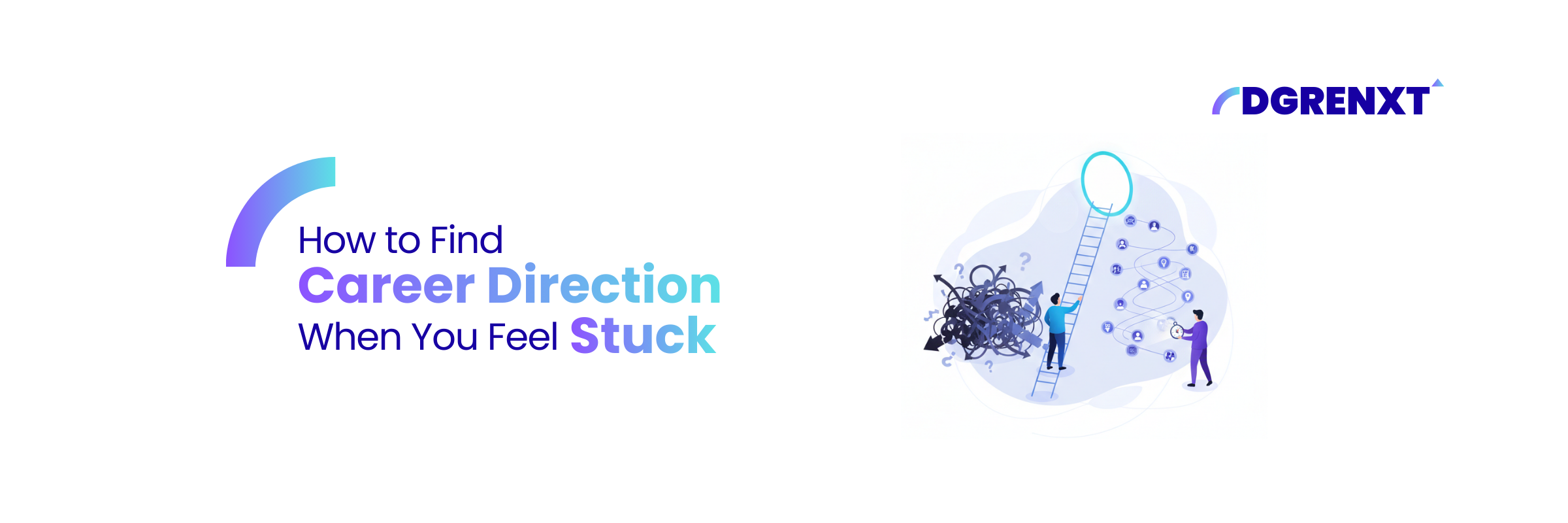
How to Find Career Direction When You Feel Stuck
Many professionals do not struggle with effort. They struggle with direction. You may be working consistently, learning continuously, and still feel unsure about your next move. The frustration builds not because you are inactive, but because your activity does not feel guided. When direction is unclear, every decision feels heavier than it should.
Why Career Direction Feels So Hard to Find
Most advice about career direction focuses on external factors. It suggests analyzing market demand, salary potential, industry growth, and future trends. While those variables matter, they do not solve internal confusion. Career direction becomes difficult when you do not understand how you naturally operate. If you are unclear about:
- How you make decisions
- What type of ownership suits you
- Whether you thrive in structure or ambiguity
- What environments amplify your performance
Then every option looks uncertain. Career direction is not only about choosing a path. It is about choosing a path that matches your structural strengths.
How Do You Choose the Right Career Path?
Choosing the right career path requires filtering, not expanding. Many professionals believe they need more exposure, more networking, or more opportunities. Often, what they need is sharper self-understanding. Instead of asking which role looks better, consider asking:
- Does this role align with how I think and solve problems?
- Does it stretch my strongest capabilities or only use my current ones?
- Will it expand my ownership or keep me at task level?
- Does it move me closer to the type of impact I want long term?
The right path is rarely the most impressive one. It is the most aligned one. Clarity reduces unnecessary comparison.
How to Build a Career Growth Plan That Actually Works
A career growth plan should not begin with job titles. It should begin with structural insight. An effective growth plan includes:
- Clear awareness of your Core Powers
- Identification of structural gaps slowing your progress
- Defined direction for the next 12 to 24 months
- Skill development aligned with trajectory, not randomness
- Ownership expansion goals
Without structural clarity, growth plans become generic. With clarity, growth plans become intentional. Direction transforms effort into strategy.
The Role of Assessment in Career Alignment
Many professionals hesitate to use structured assessments because they fear being labeled. However, the right assessment does not restrict direction. It clarifies it. When you understand your operating style, decision patterns, and structural strengths, you stop guessing. Career alignment becomes measurable instead of emotional. This is where frameworks like the DgreNxt growth framework become useful. Instead of telling you what career to choose, they reveal how you operate so you can choose intelligently. Career clarity is not motivational. It is structural.
The Shift From Confusion to Direction
Finding career direction does not require dramatic reinvention. It requires deliberate recalibration. You do not need to abandon everything you have built. You need to align it. When clarity improves:
- Decisions feel lighter
- Trade-offs feel logical
- Growth feels intentional
- Effort starts compounding
Direction does not eliminate hard work. It makes hard work meaningful.